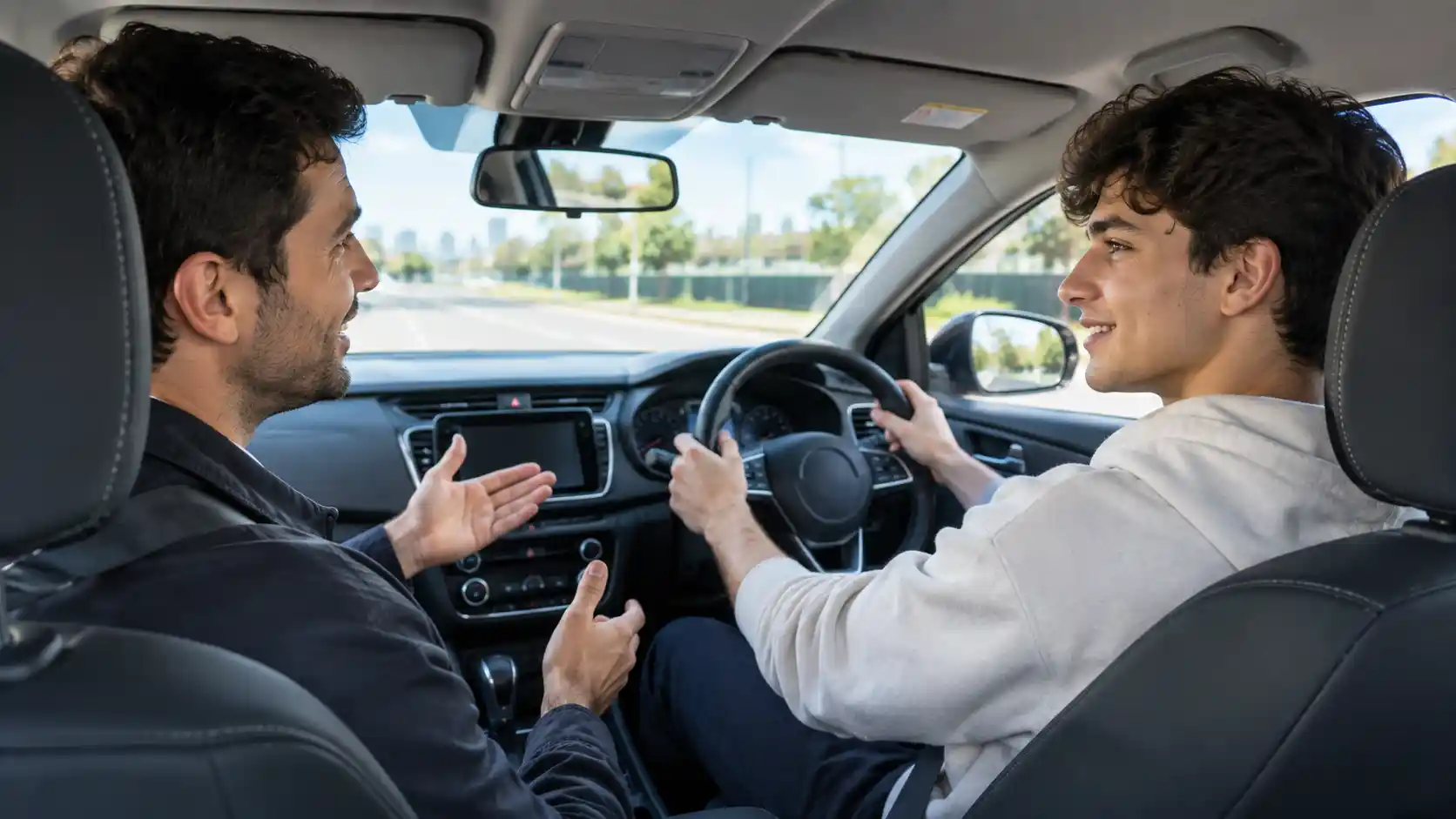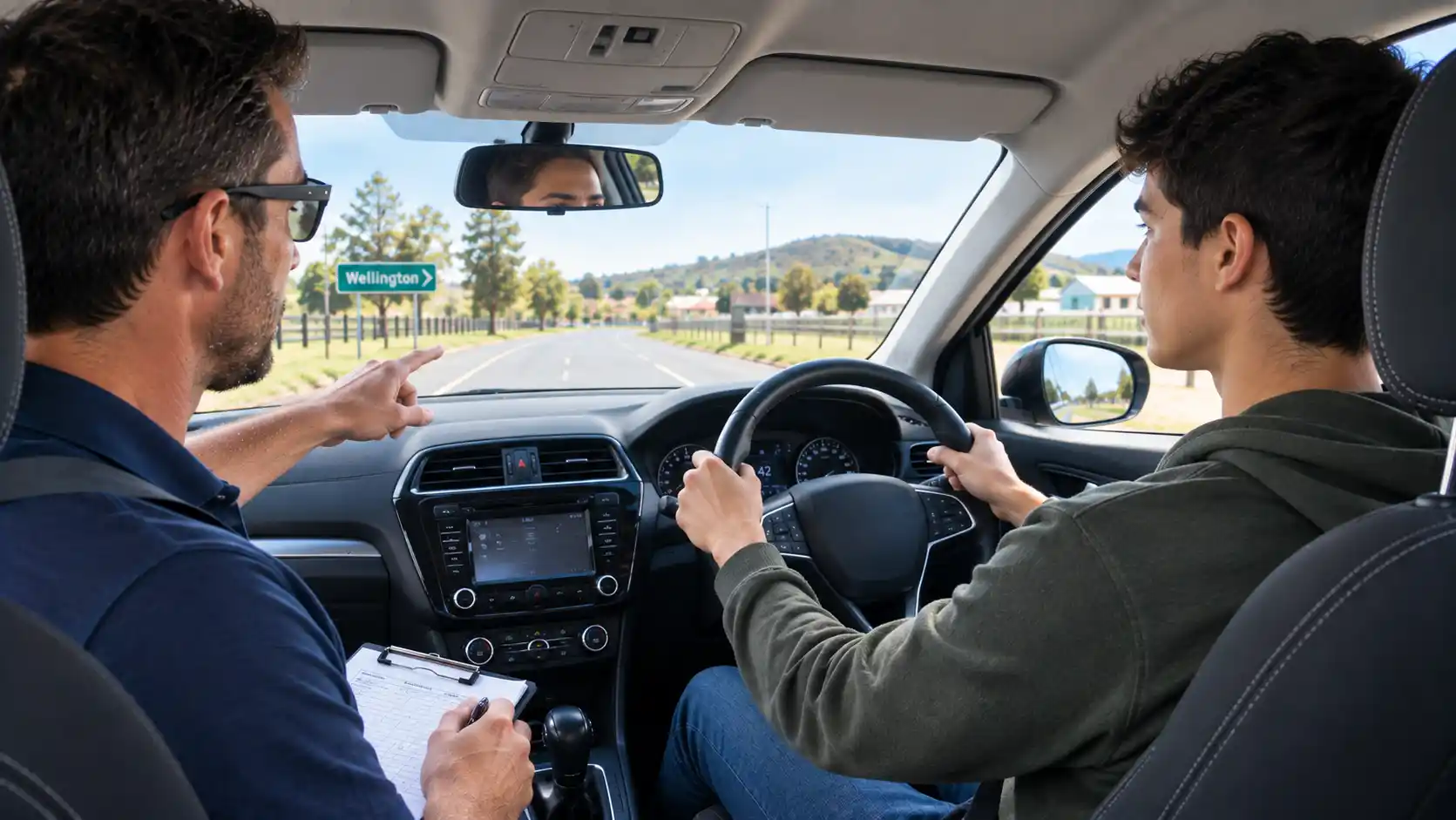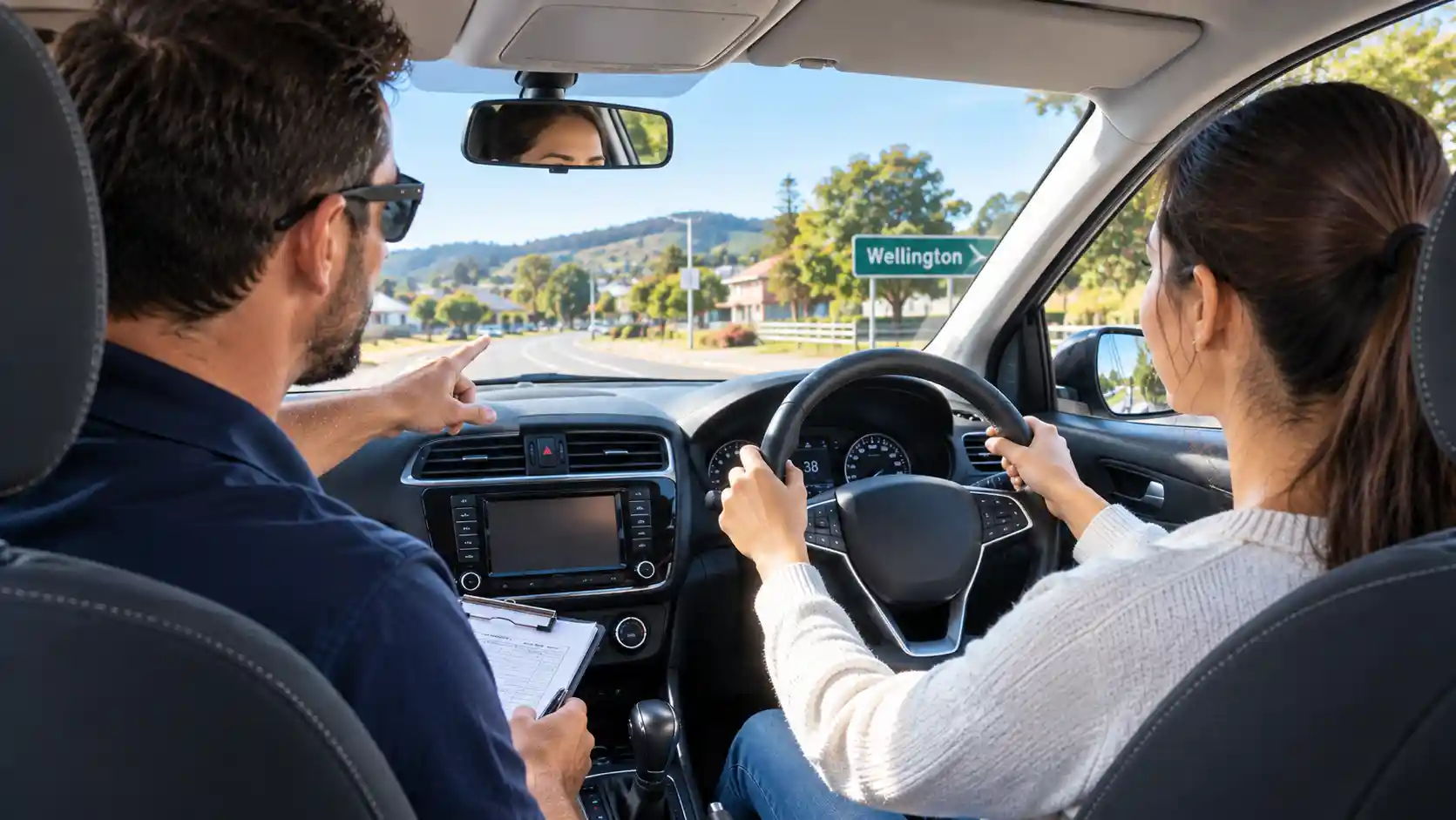
Your first driving lesson is an introduction, not a test. Nobody expects you to already know how to drive, that’s the entire point of the lesson. Your instructor will walk you through the vehicle, check your seating position and mirrors are right, and then guide you through some genuinely basic driving tasks at whatever pace actually suits where you’re starting from.
Here’s exactly what happens, what to bring, and the questions most first-timers have before they’ve even booked.
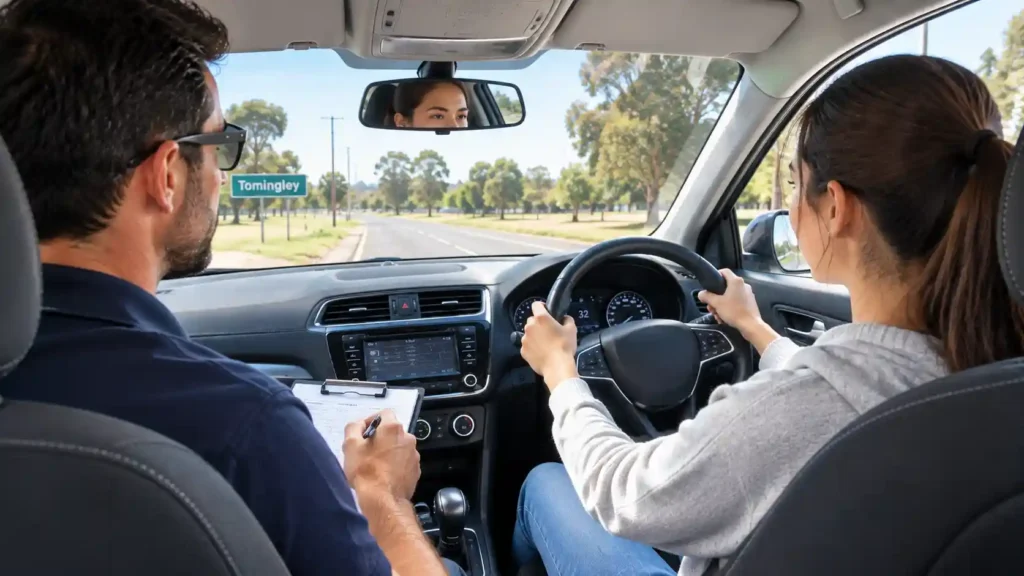
What Actually Happens in the Lesson
Before the car moves anywhere, your instructor covers the vehicle itself, your position in it, and the basic controls. Only once that’s settled do you start moving, and even then it’s in a quiet, low-traffic area at a comfortable speed.
A typical first session generally goes:
- A quick chat with your instructor about your experience, if you have any at all
- Adjusting your seat, headrest and mirrors properly for your body
- Walking through the main controls before the engine even starts
- Learning what each pedal, lever and switch actually does
- Starting the vehicle and getting a feel for how it moves
- Driving in a quiet area, with clear instruction at every step
None of this assumes any prior knowledge. Professional lessons are built from the ground up for complete beginners, which is exactly why the structure exists in the first place.
A few things that genuinely help first-timers stop stressing: lessons start with the basics, not road traffic. Your instructor guides every action with clear, simple instructions rather than expecting you to already know what’s coming. The vehicle has dual controls, so your instructor can step in if something goes wrong. And nerves are completely normal, most learners find they settle within the first 10 to 15 minutes of actually driving.
Getting to Know the Car First
Before you drive anywhere, your instructor talks you through:
- The steering wheel and how much input it actually needs
- The accelerator and how gentle the pressure needs to be, it’s far more sensitive than most new drivers expect
- The brake pedal and how different it feels compared to being a passenger
- The gear selector, whether that’s automatic or manual depending on your vehicle
- The handbrake and when to use it
- Mirrors, how to read them, and how often to check them
- Indicators and when to signal
- Dashboard warning lights and what the important ones mean
- Headlights and wipers, particularly relevant if your lesson runs into late afternoon
If you’re not sure whether to start on automatic or manual, most beginners find automatic genuinely easier to focus on early on, since there’s one less thing to manage while you’re still learning everything else. Our automatic driving lessons page has more on that if you’re still deciding.
Why the First Few Lessons Matter More Than People Think
Habits formed early are genuinely hard to undo later, which is exactly why instructors correct technique from lesson one rather than waiting until it becomes a problem.
From your very first lesson, you’ll start building:
- Mirror checks before moving off and when slowing down
- Head checks, actually looking over your shoulder, before pulling away or changing direction
- Smooth, gradual braking rather than stopping sharply
- Both hands on the wheel with a relaxed but firm grip
- Scanning ahead rather than just watching the car directly in front
- Speed awareness, understanding how fast or slow you should genuinely be moving in a given area
Where You’ll Actually Drive Around Tomingley
Most first lessons stay well clear of busier roads. Your instructor picks a starting area that genuinely matches your comfort level, not a fixed script.
Typical starting spots include quiet residential streets with little traffic, wide, low-speed roads that give you room to get used to how the car feels, and empty car parks or side streets for practising starting and stopping without any pressure.
One detail worth knowing early: under the NSW Road Rules, learner drivers are capped at 90 km/h regardless of the posted speed limit. So even once your lessons eventually reach the open roads around Tomingley, you’ll never be expected to match the 110 km/h limit on the Newell Highway. It’s a genuinely useful safety margin while you’re still building confidence.
How Long a First Lesson Actually Runs
Most beginner lessons run around 60 minutes, though this varies depending on your package and how you’re tracking on the day. A rough breakdown looks like:
Vehicle introduction takes about 10 to 15 minutes, covering controls, mirrors, seating and a brief rundown of what the lesson will involve. The actual first drive runs somewhere between 20 and 30 minutes, starting, stopping, steering, and getting used to the car in a quiet area. Feedback and review takes another 10 minutes or so, where your instructor talks through what went well and what to focus on next. Finally, your instructor will usually suggest what to practise during any supervised drives with family or friends before your next lesson.
Some packages run longer, up to around 90 minutes, particularly if you’re combining your first lesson with extra driving time once you’re comfortable. Ask your instructor what’s included when you book so you know what to expect on the day.
What to Bring With You
Your first lesson checklist:
- A valid NSW learner licence, which you need to carry every time you drive
- Glasses or contact lenses if you need them to meet the NSW fitness-to-drive eyesight standard
- Comfortable, flat, closed-toe shoes. Thongs, heels and loose footwear genuinely affect how accurately you feel the pedals, more than most learners expect
- Light clothing so heat or discomfort isn’t a distraction
- A water bottle, especially through a Central West summer
- Your booking confirmation, if your instructor has asked you to bring it
If you’re not yet on your L plates, you’ll need to sit the Driver Knowledge Test and apply for your learner licence first. The nearest Service NSW centre for Tomingley residents is in Dubbo, roughly 53 kilometres to the northeast.
The Logbook Shortcut Worth Knowing About Early
If you’re under 25, each structured lesson with a NSW-licensed instructor counts as three logbook hours instead of one, up to a maximum of 10 instructor hours. That means 10 hours of professional lessons can credit you with 30 logbook hours toward your required 120, a genuinely meaningful head start rather than a minor perk. It’s worth knowing about from your very first lesson, since planning your professional lessons early makes the most of it.
Frequently Asked Questions
Should I learn in an automatic or manual car?
Most beginners find automatic easier to start with, since there’s one less thing to manage while you’re still getting used to everything else. You can always add manual lessons later if you want that licence class. See our automatic driving lessons page for more detail.
How much does a first driving lesson cost?
Pricing depends on lesson length and whether you book a single session or a package. Get in touch with Auz Driving directly for current pricing before you book, so you know exactly what to expect.
Can I request a specific instructor?
Yes, if you’ve had a lesson before and want to continue with the same instructor, or you have a preference for any reason, let us know when booking and we’ll do our best to accommodate it.
What if I’m nervous and think I’ll freeze up?
That’s genuinely common and instructors are used to it. Lessons are structured specifically so nothing is thrown at you before you’re ready, and the dual controls mean your instructor can take over instantly if you do freeze. Most nerves settle within the first 10 to 15 minutes.
Do I need my own car for lessons?
No, lessons use the instructor’s dual-control vehicle, so you don’t need access to a car of your own until you’re practising independently between lessons with a supervising driver.