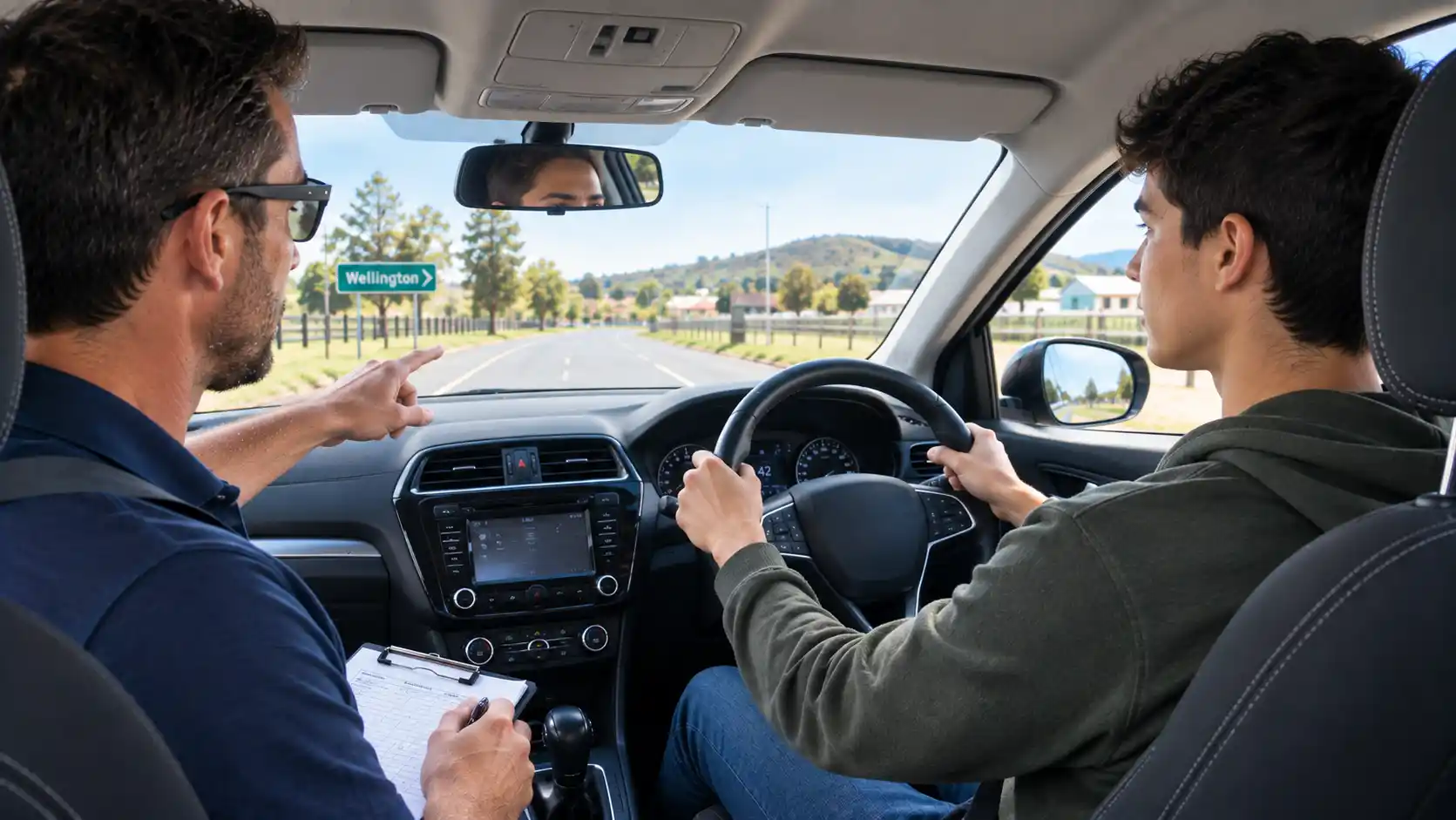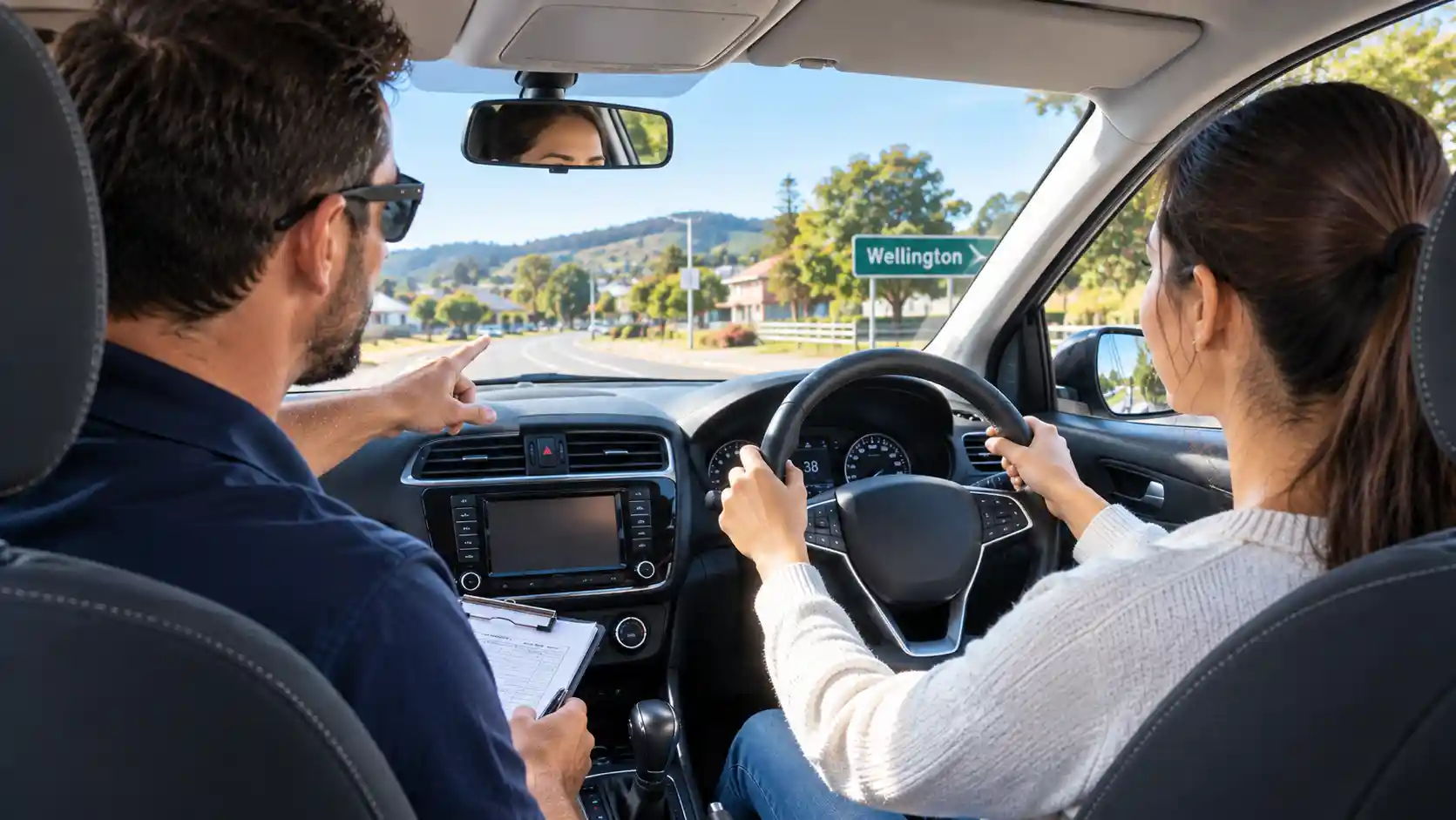
Most learners who don’t pass their driving test on the first attempt aren’t unsafe drivers. They’re usually caught out by not knowing exactly what the examiner is scoring, or by one moment of nerves that turns into a small, avoidable mistake. Sitting your test in Wellington comes with its own local conditions worth getting comfortable with well before test day.
Here’s what actually gets assessed, the roads you’ll likely be tested on, and how to walk in genuinely ready.
What the Examiner Is Actually Scoring
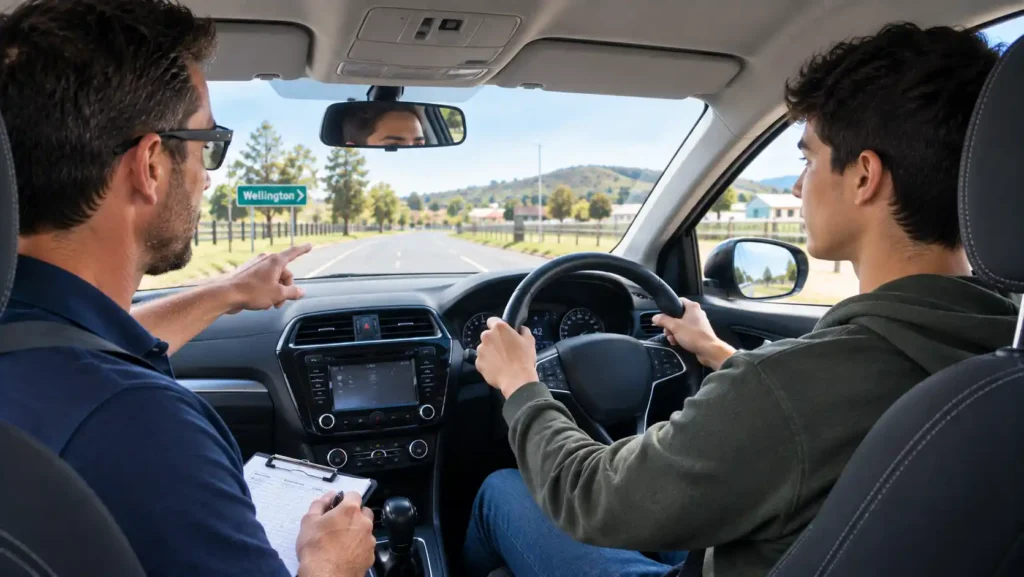
According to Transport for NSW’s official Guide to the Driving Test, you need to score at least 90 per cent overall with zero fail items to pass. Both conditions apply together, a high score alone won’t save you if you commit a fail item, and avoiding fail items alone won’t get you there if your overall score falls short.
Your driving is assessed across five areas throughout the test: speed management, road positioning, decision making, response to hazards, and vehicle control. A fail item is a specific, serious error, following too closely to the vehicle ahead, missing a required head check repeatedly, or receiving outside instruction during the test are all examples. Some fail items end the test immediately. Others simply count against you but let the test continue so you still get a full assessment.
It’s worth reading the official guide in full before your test, it’s a genuinely useful document and takes the guesswork out of what you’re actually being marked on.
Getting Familiar With Wellington’s Roads
Booking your test at the Wellington Service Centre means your route is drawn from Wellington’s actual streets, not a generic template. Expect a mix of residential streets, the main shopping strip along Nanima Crescent, school zones, and some open road sections heading out of town.
Worth building genuine familiarity with before your test:
- Residential streets posted at 50 km/h
- School zones running at 40 km/h during drop-off and pick-up windows
- Roundabouts and give-way intersections
- Multi-lane sections of the Mitchell Highway through town
- The Main Western railway line crossings through Wellington
- The speed transition from town limits to open country roads
Driving these areas repeatedly before your test, ideally with an instructor who already knows them, removes a lot of the uncertainty that makes test day feel harder than it needs to be. Our driving lessons in Wellington are built specifically around this local route knowledge.
Your Vehicle Needs to Pass Before You Do
A vehicle that fails the pre-test safety check means no test, and the booking fee isn’t refunded. Check this the night before and again on the morning of your test.
| Item | What to check |
| Tyres | No obvious damage, reasonable tread depth |
| Windscreen | No cracks or chips, wipers working properly |
| Mirrors | All present, none cracked |
| Lights | Headlights, indicators and brake lights all functional |
| Horn | Working |
| Seatbelts | Front and rear all functional |
| Registration | Currently valid |
| Fuel | Enough to complete the full test |
Also confirm your vehicle isn’t subject to an active Takata airbag recall. Transport for NSW won’t let a test proceed in a vehicle under an open safety recall, and this catches people out more often than you’d expect, particularly with older second-hand cars. If you don’t have access to a suitable car on the day, car hire for your driving test is worth arranging well in advance rather than scrambling the week before.
Why Structured Lessons Make a Genuine Difference
Most first-time passes come from learners who’ve had proper structured lessons rather than relying purely on supervised practice with family. An instructor who knows Wellington’s roads specifically can build your lessons around the exact conditions you’ll face, roundabouts, school zone timing, and the railway crossings, rather than generic driving practice.
What structured lessons add that self-practice on its own often misses:
- Catching unsafe habits early, before they become automatic and hard to unlearn
- Mock test runs using genuine test-style instruction and scoring
- Direct feedback on observation, road positioning and gap selection
- Practice handling intersections, parking and lane changes under exam-like pressure
If you’re under 25, you’ll need 120 logbook hours before you’re eligible to sit your test, including at least 20 at night. Completing the Safer Drivers Course reduces that requirement by 20 hours, but you need at least 50 logbook hours already completed before you can enrol, so it’s worth planning once you hit that milestone rather than leaving it too late. Full details on hours, stages and requirements are in our guide on how to get a driver licence in NSW.
The Habits Examiners Are Actually Watching For
A few things apply constantly throughout your test, not as a sequence but as habits running the whole time you’re driving:
Keep a genuine safety gap to the vehicle ahead. NSW’s road rules require you to leave enough space to stop safely, and tailgating is a fail item on its own, not just a mark against you.
Look further down the road, not just at the car in front. Examiners can tell where your attention is by how early you respond to what’s coming.
Check your mirrors properly and often, particularly before braking, changing lanes, or slowing for an intersection. This needs to be a visible, deliberate check, not an assumption you’ve already seen enough.
Do a full head check, not just a mirror glance, when pulling away from a stop or changing lanes. Your blind spot check needs to be genuinely visible to the examiner from where they’re sitting.
Manage your speed smoothly rather than reactively. Speed creep in school zones and residential streets is one of the more common ways learners lose marks, since it often happens without the driver noticing.
Give way correctly at roundabouts. Wellington has several, and traffic already on the roundabout always has right of way. This is worth practising until it’s automatic rather than something you’re consciously working through under pressure.
Managing Nerves on the Day
A few practical things genuinely help more than they might seem to:
Get a proper night’s sleep beforehand. Fatigue slows decision-making in exactly the moments that matter most.
Arrive at the Wellington Service Centre at 46 Warne Street at least 15 minutes early so you’re not rushing or flustered before you’ve even started.
Eat something light beforehand. Hunger is a surprisingly common, avoidable distraction.
Focus on the instruction you’re given in the moment rather than thinking ahead to what might come next. Staying present keeps your driving smoother.
If you make a small mistake, let it go and keep driving. The test continues after most fail items, and one error on its own doesn’t automatically mean you’ve failed overall.
Breathe normally. Holding your breath or gripping the wheel too tightly makes your movements less smooth and more noticeable to the examiner.
A practice drive through Wellington’s main streets on the morning of your test can genuinely help settle nerves. Familiar roads feel less stressful than approaching the test route cold for the first time that day.
If You Don’t Pass the First Time
Transport for NSW requires a minimum seven-day wait before you can rebook and attempt the test again. Use that time properly rather than just waiting it out.
You’ll be given a marked score sheet and general feedback after your test. Go through it with your instructor and focus your next round of practice specifically on the areas noted, rather than practising broadly and hoping the same issue doesn’t come up again. Our step-by-step guide to booking a driver licence test in NSW covers how to rebook once you’re ready.
Frequently Asked Questions
What happens if I fail a specific manoeuvre during my test?
It depends on whether it’s classed as a fail item or an immediate fail. Most fail items let the test continue so you still get a full assessment and useful feedback, while an immediate fail ends the test on the spot. Either way, you won’t pass that attempt, but you’ll know exactly what to work on before rebooking.
Can I use my own car for the test, or do I need to hire one?
You can use your own vehicle as long as it passes the pre-test safety check, including registration, general roadworthiness, and confirmation it isn’t under an active safety recall. If you don’t have access to a suitable car, car hire for your driving test is a straightforward alternative, just book it well ahead of your test date.
How long does the actual test take?
The on-road component generally runs around 30 to 45 minutes, covering a set route with multiple assessment zones. Add time either side for the pre-drive vehicle check and your result being explained afterward.
Do I need to complete the Hazard Perception Test before booking my driving test?
Yes, the Hazard Perception Test needs to be passed before you’re eligible to book your driving test, and your result stays valid for a set period afterward, so timing your booking accordingly is worth planning ahead.